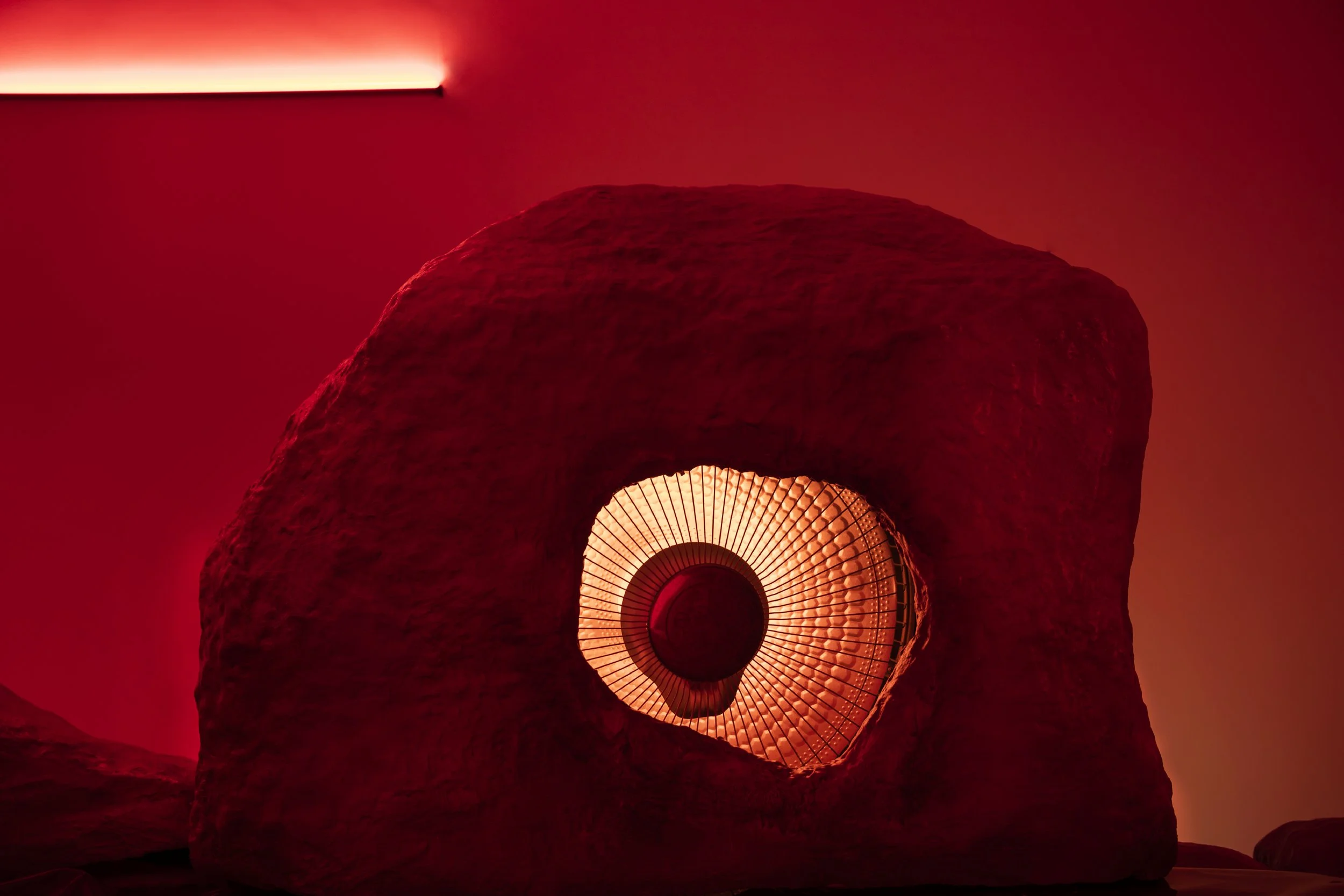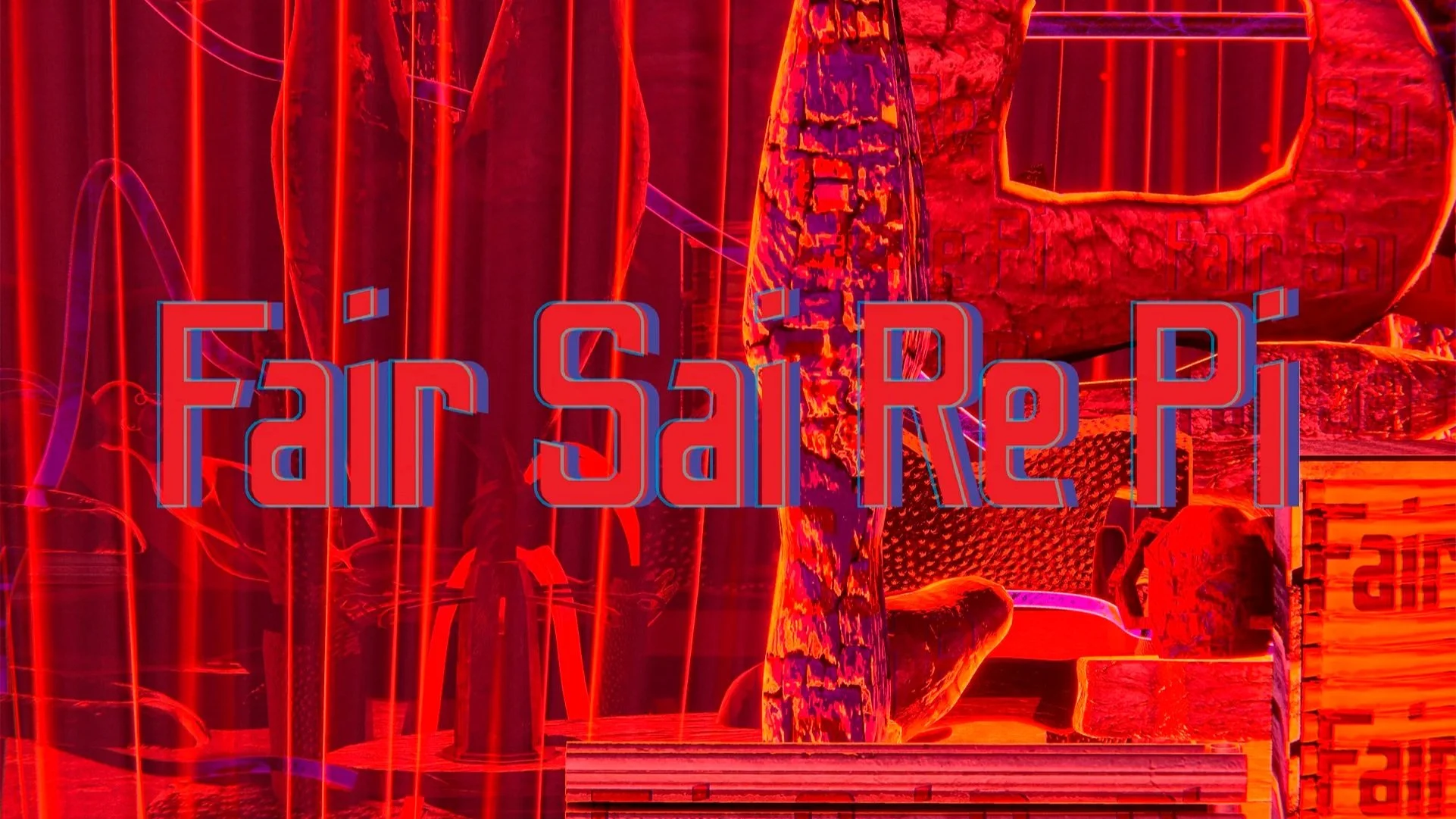
Fair Sai Re Pi VR is a 14minutes multisensory VR experience that invites audiences to experience a fictional fire therapy based on the one sold by a real Chinese pyramid scheme company named QuanJian that went bankrupt in 2020 after a scandal erupted about the scheme. The experience is a re-enactment of the real company, a simulation of a simulation. It performs a critique of the company’s capitalistic logic of exploitation, its solidification of hierarchy, and the values of excessive consumption, and questions the relationship between Western modernity and the philosophy of Traditional Chinese Medicine (TCM). The playful and surreal pseudo-therapy brings the contradiction between the philosophy of TCM—emphasizing wholeness—and the pyramid scheme business model with its strict hierarchical order.
This project, however, is less about the efficacy of TCM and more about how the tradition is displaced and remade in a society dominated by the ideology of technology from the West. Fire, in this VR experience, is a motif existing between “natural” fire, the fire to “cure the diseases” and “cultural” fire, the fire situated in the network of pyramid scheme structures that burns participants financially. This project is also related to a conceptual framework of “Emersive VR” that I proposed in my thesis. Different from the idea of Immersive VR, Emersive VR intends to break the singularity of virtual space.
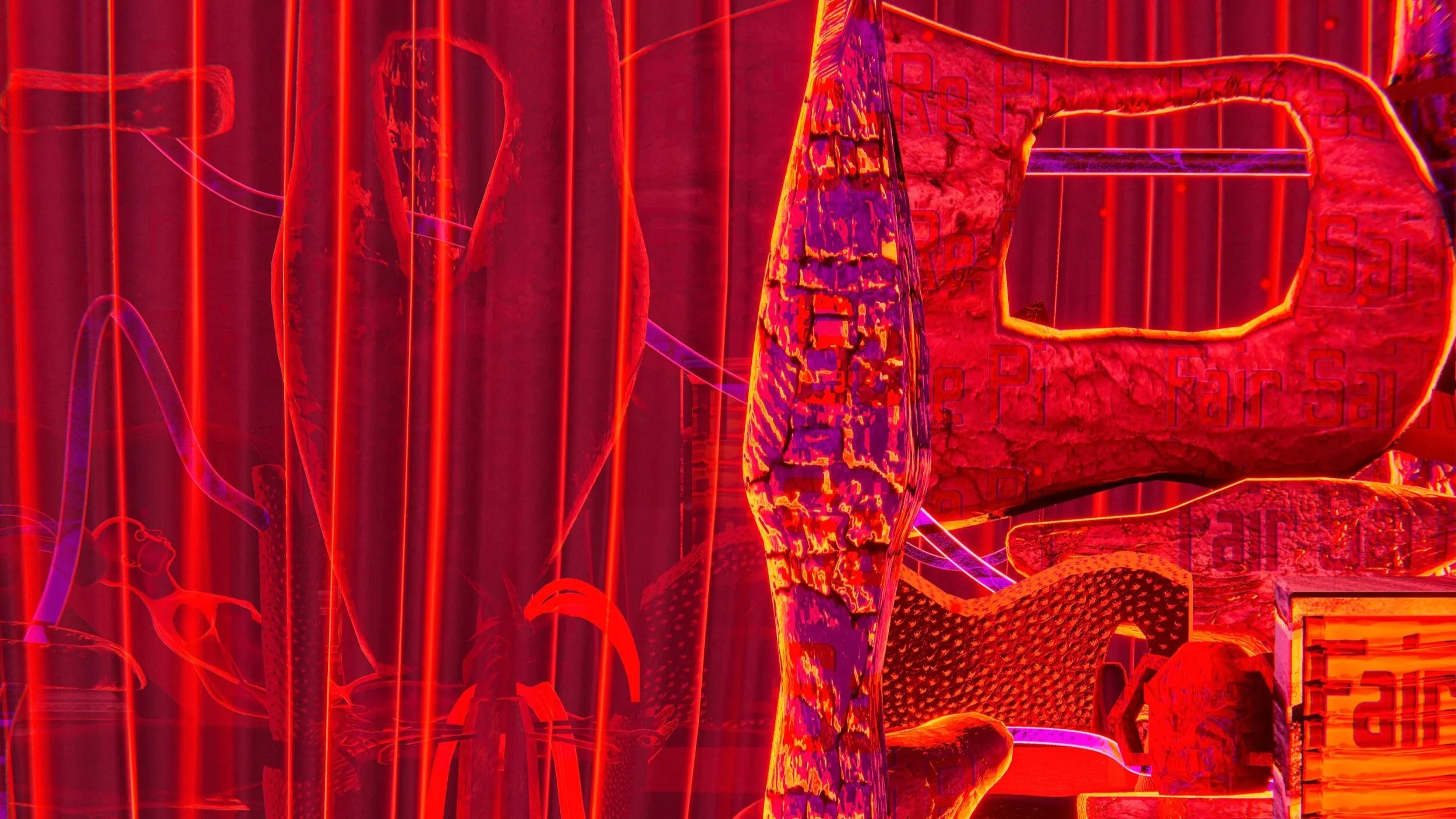
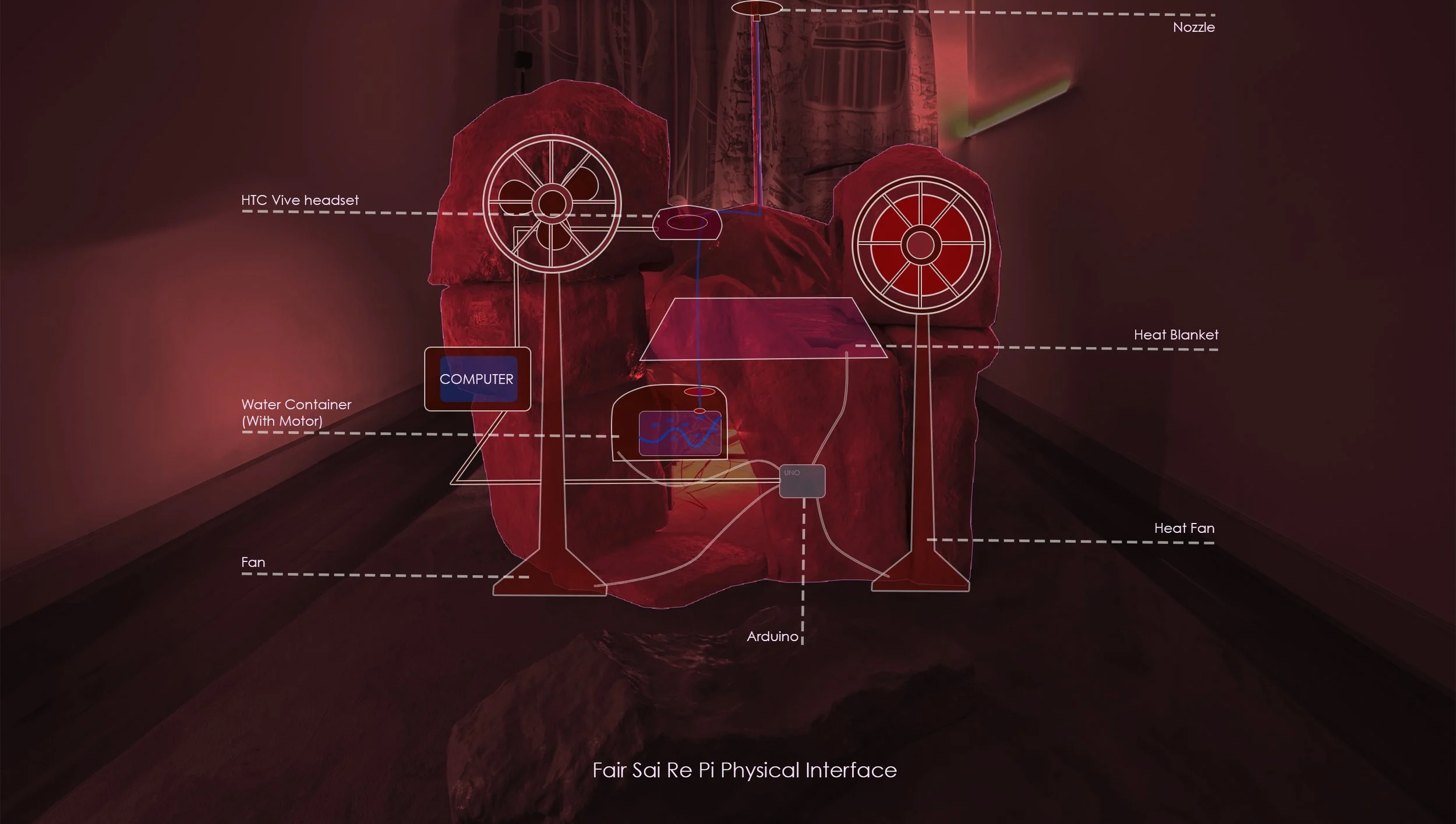
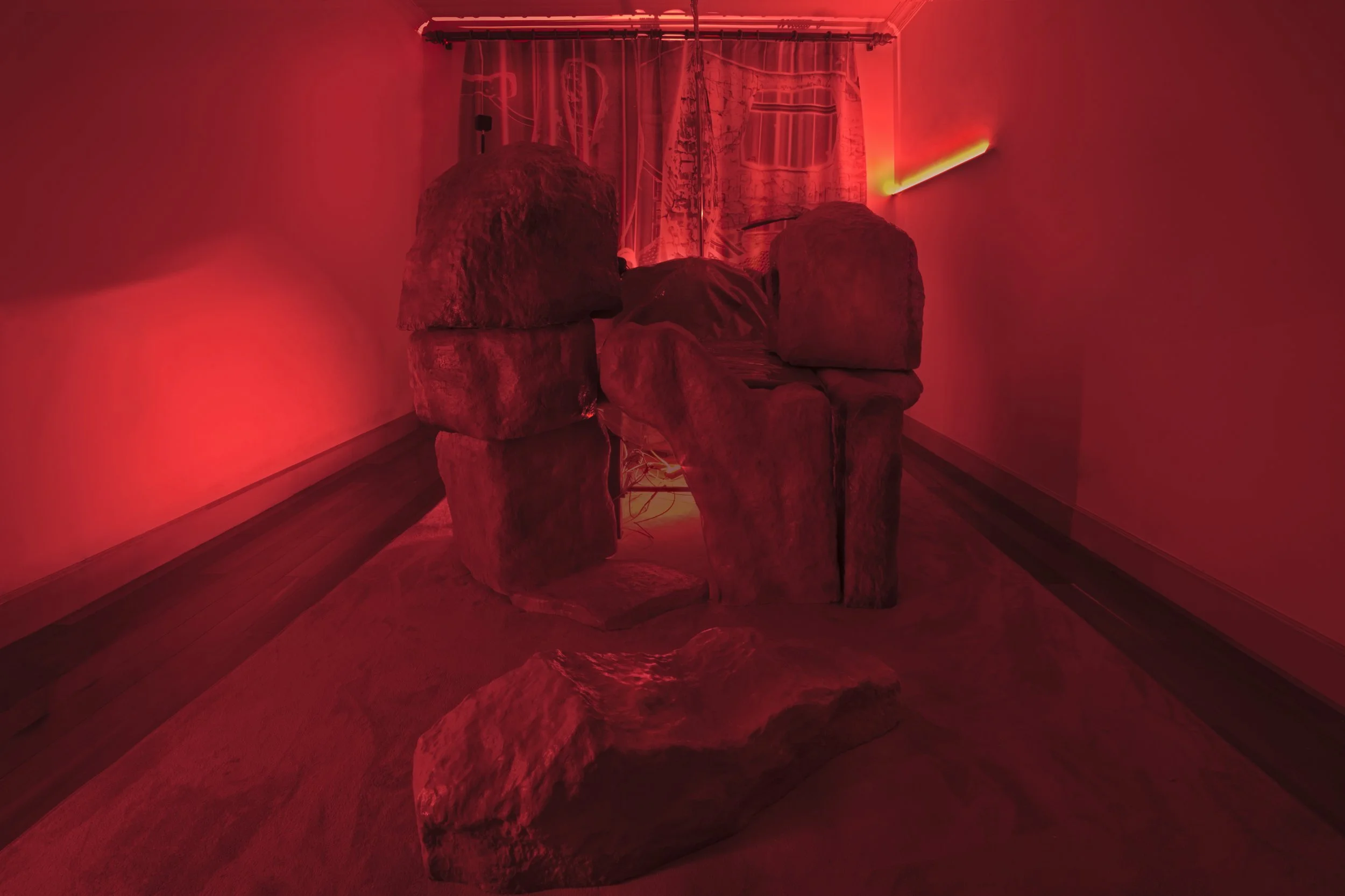
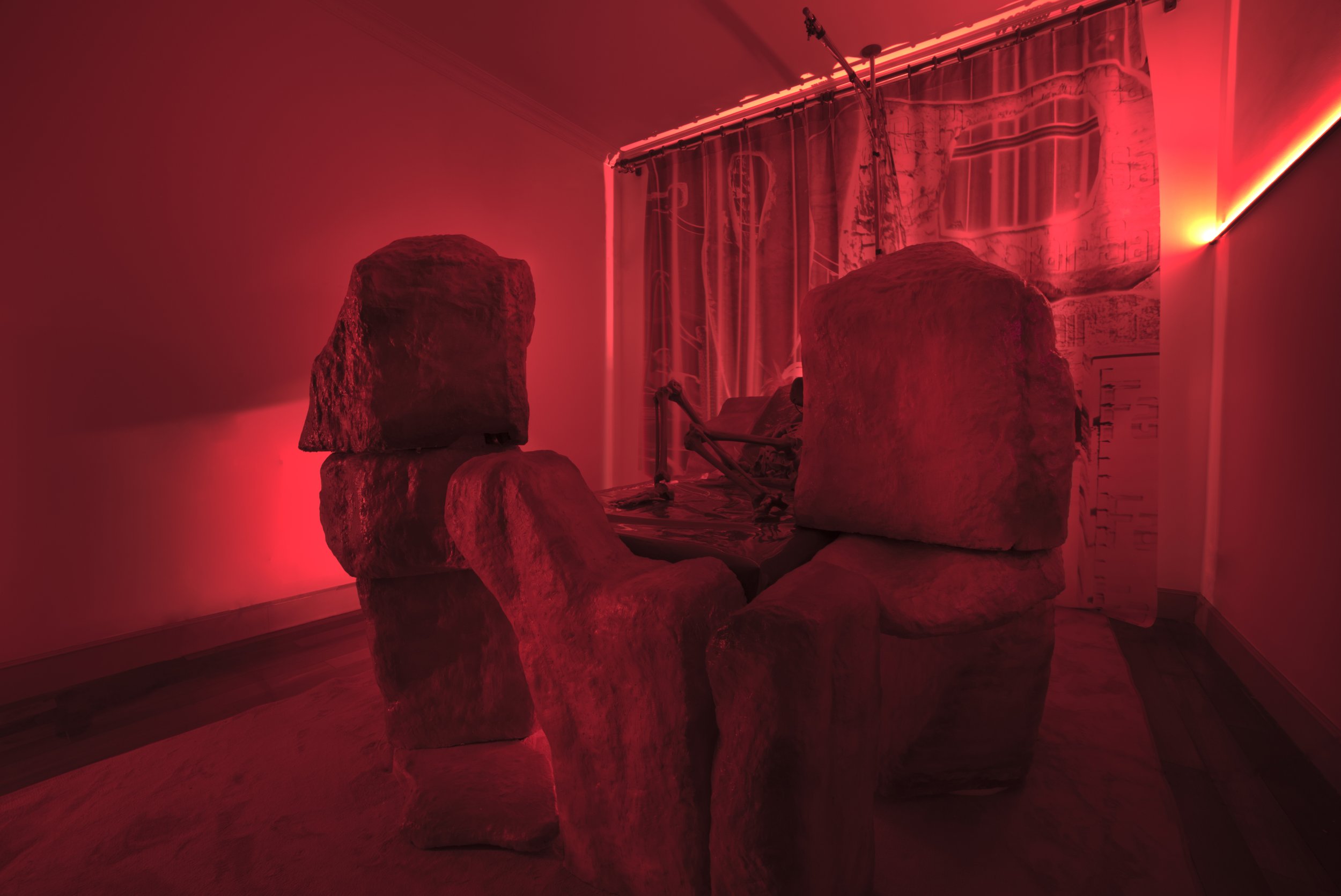
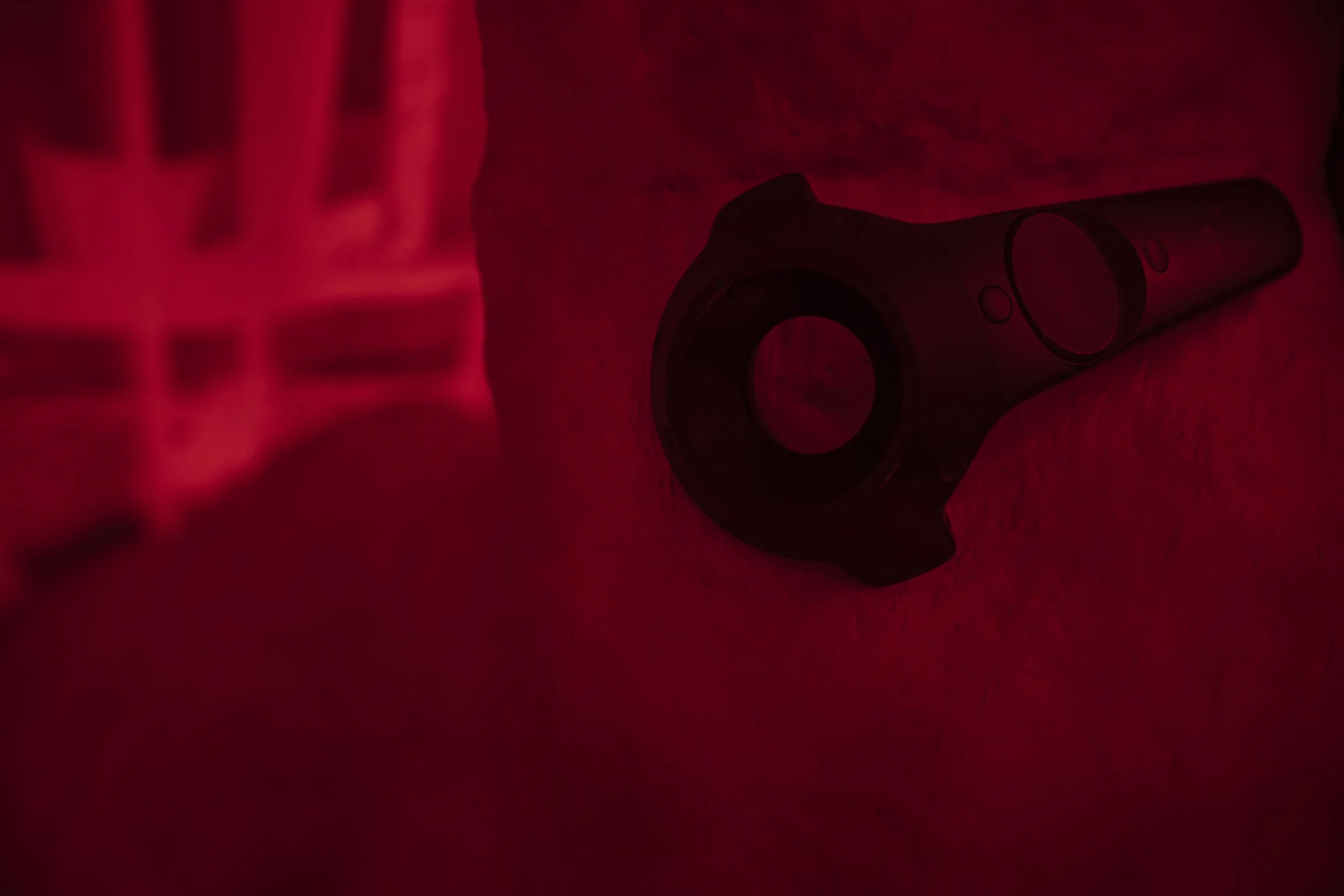
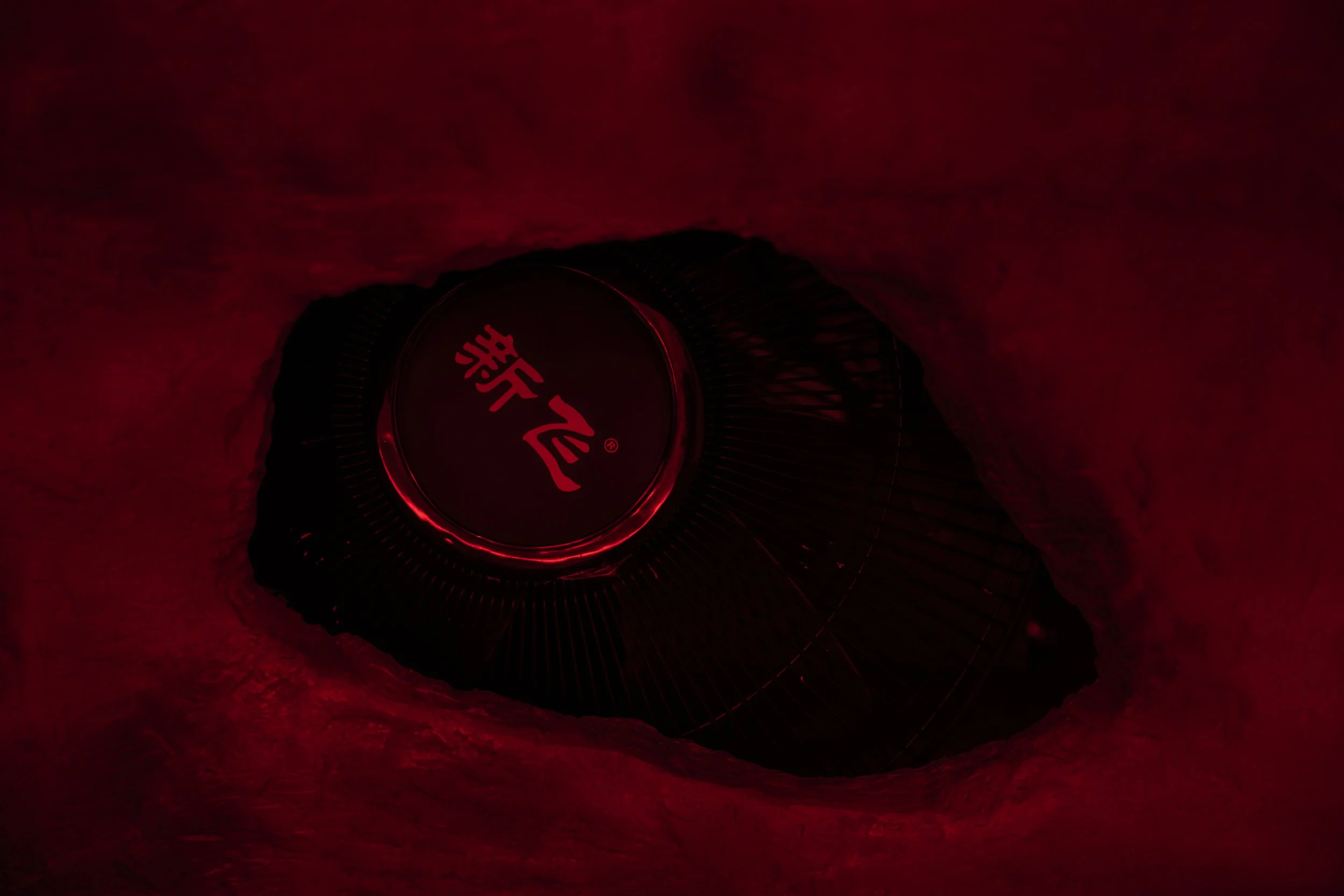
In this experience, the audience must sign a safety agreement before entering the therapy room. They are then invited into a dedicated space for the fictional fire therapy. Participants enter the room and lie down on a custom-made massage bed equipped with physical mechanisms such as a heat fan, water spray, and a heated blanket, all connected to the VR program via Arduino (in this edited version, the audience is only immersed visually in VR). Rather than being isolated in a single space rendered by the VR headset, bodies are situated in a liminal zone between the virtual and the physical, fiction and reality. The installation was realized in my Shanghai apartment during the pandemic.